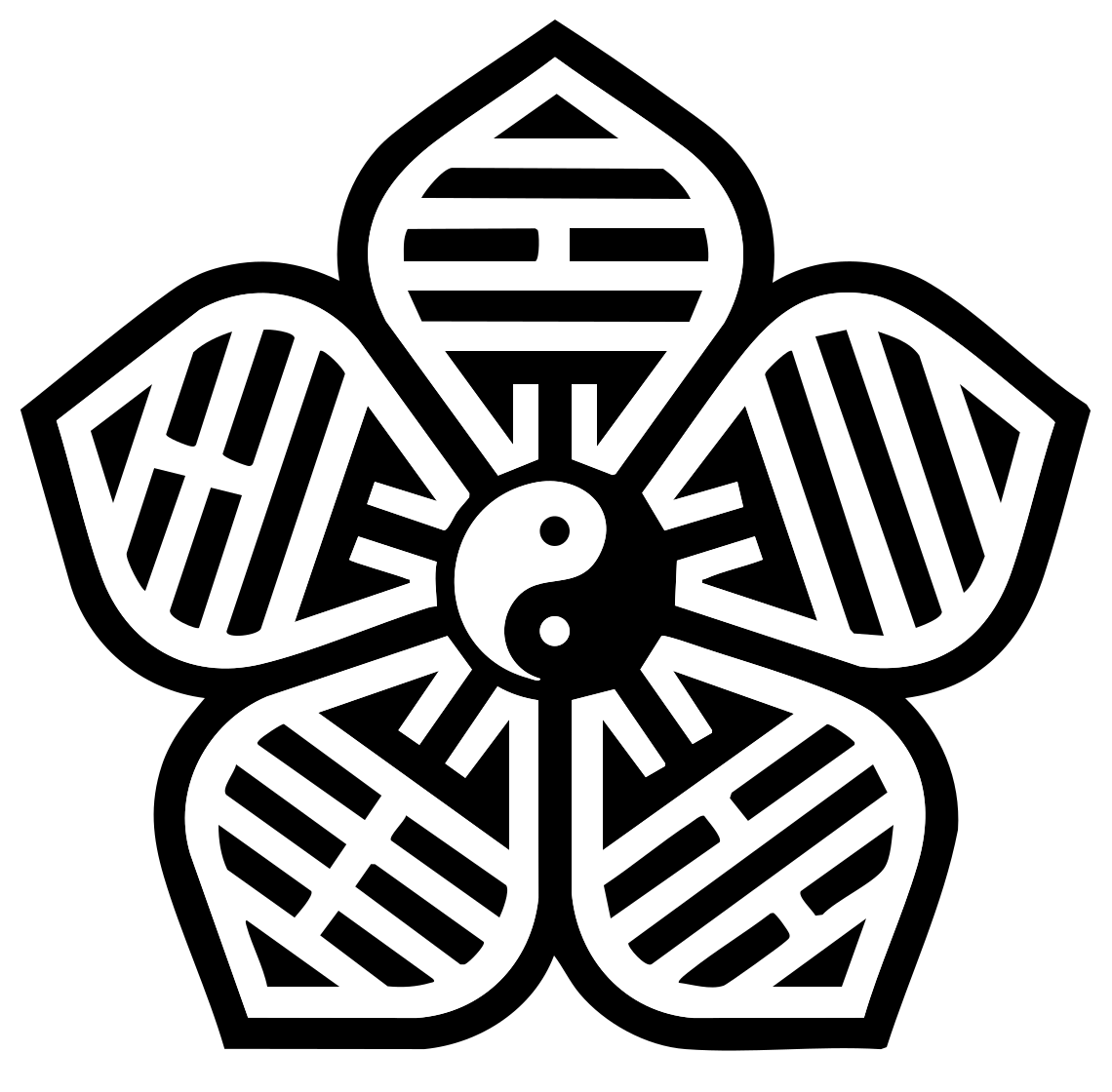
Trigram breakdown
Upper · Water · 坎
Yang held inside two yins. The hidden current; danger and depth at once.
Lower · Earth · 坤
Unbroken yin. The receptive ground that holds whatever is set on it.
Judgment
'Holding Together' describes the moment when scattered individuals coalesce around a unifying center. Water finds its level and flows across the earth, filling every low place - this is the dynamic at work here: people and circumstances naturally gathering around a strong, trustworthy core. The hexagram demands honesty about who that center is and whether you are drawn to it or called to be it, because false bonds or delayed commitment will cost more than standing apart entirely.
Image
Water spreads across the earth, seeping into every hollow and joining into streams - it does not force its way, yet nothing resists it for long. The earth receives and holds the water, giving it direction and boundary. This image teaches that genuine unity is not manufactured through pressure but emerges when the right conditions exist and each element fulfills its nature.
Essence
Character
This person notices who is standing at the edge of a group and walks over before anyone asks. Names, small details and invitations come easily to them. People end up folded in without feeling handled. Their gift is a warmth that gives scattered people a center. The cost is constant watching. A quiet friend, a cancelled plan or a slow reply gets read as a verdict on them. Then care slides into keeping tabs, and closeness turns into gripping too hard. Being alone is harder for them than they let on. They do best when they choose their bonds on purpose, give trust without testing it, and let some silences just be silences.
With other people
In a group, this person becomes the hub. They remember who is missing, who is new and who has gone quiet. People feel held around them. The catch is that the group starts to depend on their effort, and they start to depend on the group's approval. At their best, they bring people together, then step back and let the bonds stand without them.
Water over Earth
Earth within makes them steady, receptive and quietly needing a place to belong, while Water without sends that need outward, seeping toward people and joining them into one flow.
The six lines
Hexagram 8 Line 1 (8.1)
At the very beginning of forming bonds, sincerity is the only reliable foundation. A yin line in the opening position has no leverage except authenticity - approach any alliance with genuine intent now and it will hold; approach it with calculation and the whole structure will eventually crack.
Hexagram 8 Line 2 (8.2)
This yin line in the second position holds together from the inside, from inner conviction rather than external pressure or social obligation. The connection you maintain here is self-directed and principled, which makes it durable even when circumstances shift around you.
Hexagram 8 Line 3 (8.3)
A yin line in the third position, caught between competing loyalties, risks bonding with those who do not share your deeper values simply because they are close at hand. Proximity without real alignment is a weak substitute for genuine cohesion, and the tension here warns against settling for it.
Hexagram 8 Line 4 (8.4)
This yin line in the fourth position has found the right center and holds to it consistently, which is itself the primary virtue here. Loyalty expressed through steady presence rather than grand gestures is what this position calls for, and it is enough.
Hexagram 8 Line 5 (8.5)
The one solid yang line in the entire hexagram stands as the natural center around which all others gather. True leadership here is not coercive - it is attractive, pulling others toward it by the clarity and openness it projects, while leaving room for those who choose not to come.
Hexagram 8 Line 6 (8.6)
A yin line at the top of 'Holding Together' signals arrival too late or withdrawal too early - the moment for joining has passed and hesitation has made entry awkward or impossible. This is not punishment but consequence: genuine alliances require timely commitment, and the window does not stay open indefinitely.
Keywords:
- alliance
- cohesion
- belonging
- center
- loyalty
Relationships
Opposite
Possession in Great Measure
The hexagram with every line flipped - its energetic mirror.
Inverse
The Army
The hexagram read from the top down - its reverse-perspective.
Reverse
The Army
The hexagram with upper and lower trigrams swapped - the inside turned out.
Nuclear
Splitting Apart
The hexagram built from the inner four lines (2-3-4 below, 3-4-5 above) - its inner architecture.
Family
The eight-hexagram palace it belongs to - kin generated by sequential line changes from a pure-trigram source.
Gate 8 in Human Design
In Human Design, Hexagram 8, Holding Together, is Gate 8, with the same six lines. It sits in the Throat Center, and its one channel connects it to Gate 1 in the G Center. How to read your gates in the I Ching
The reading goes further down
What you have read here is the shape of Hexagram 8, 'Holding Together'.
Underneath it sit four more: the mechanic that drives it, the shadows it casts, the way through them, and the tension between Water and Earth that never quite settles.
And if this hexagram appeared in your Birth Hexagram Triad, one of its six lines is changing. That line is your growth edge, named out loud.